Photocatalysis Development
Background
The research is focused on developing photocatalytic hydrogen-producing pathways as an alternative to standard electrolysis, both from water and hydrogen carriers such as alcohols. Photocatalysis has the advantage of directly harnessing sunlight for chemical conversion, but catalytic efficiency currently remains low, and catalyst lifetime must be improved substantially to make the technology affordable enough to compete with electrolysis. Our work specifically investigates the use of copper coated onto TiO₂ as photocatalyst, which is significantly more affordable than employing platinum-group metals. Preliminary results indicate that copper has superior selectivity compared to platinum when producing H₂ from primary alcohols, which is a promising pathway for further development. The work is collaborative and has benefitted from inputs by the University of Ghana and the Technical University of Munich. The aim is to expand on the initial work and continually improve catalyst lifetime and efficiency to make the technology more economically viable.
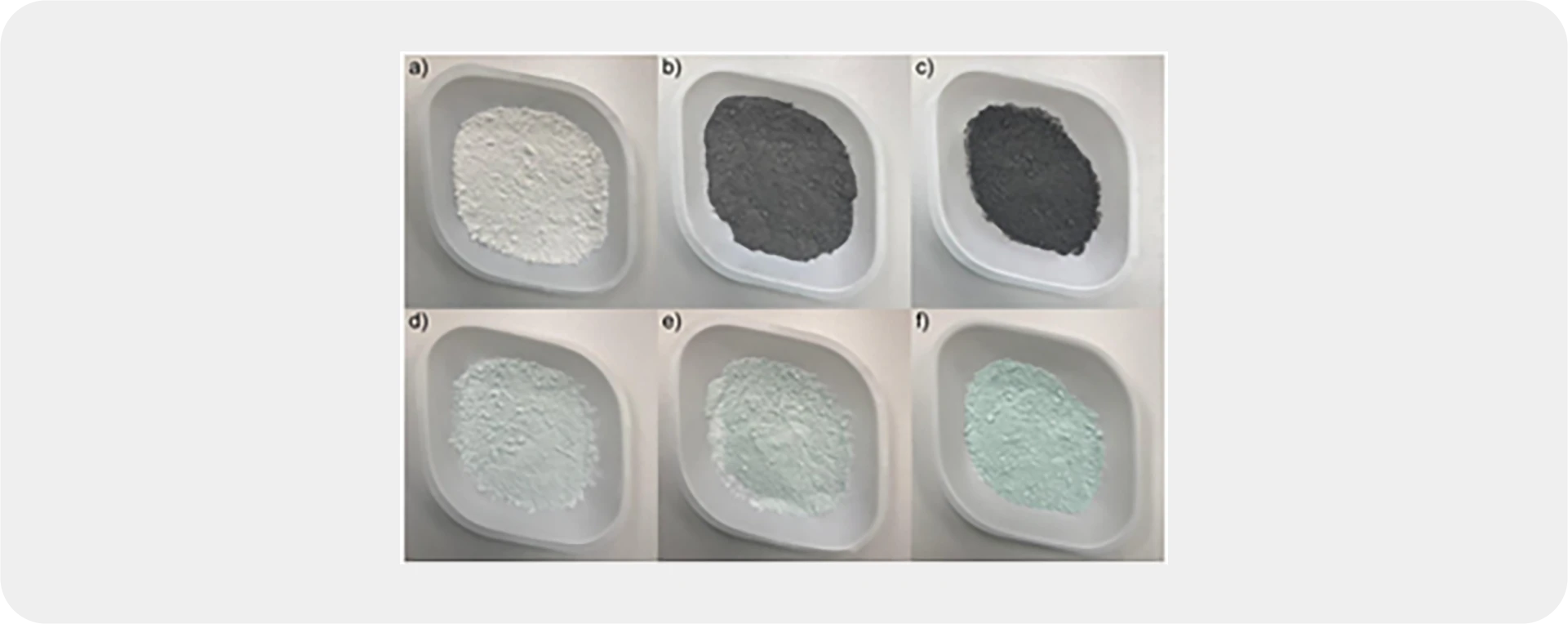
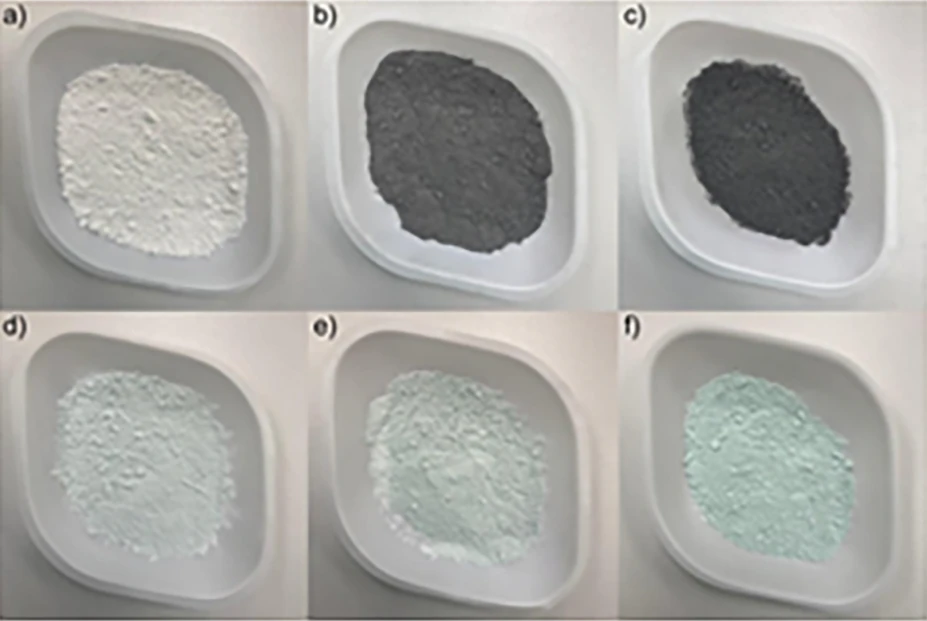
TiO2 nanoparticles with varying metal additives (from: Master thesis by Mr Van Den Berg, 2024, Cu and Pt loaded TiO2 for H2 production via photocatalytic ethanol reforming)