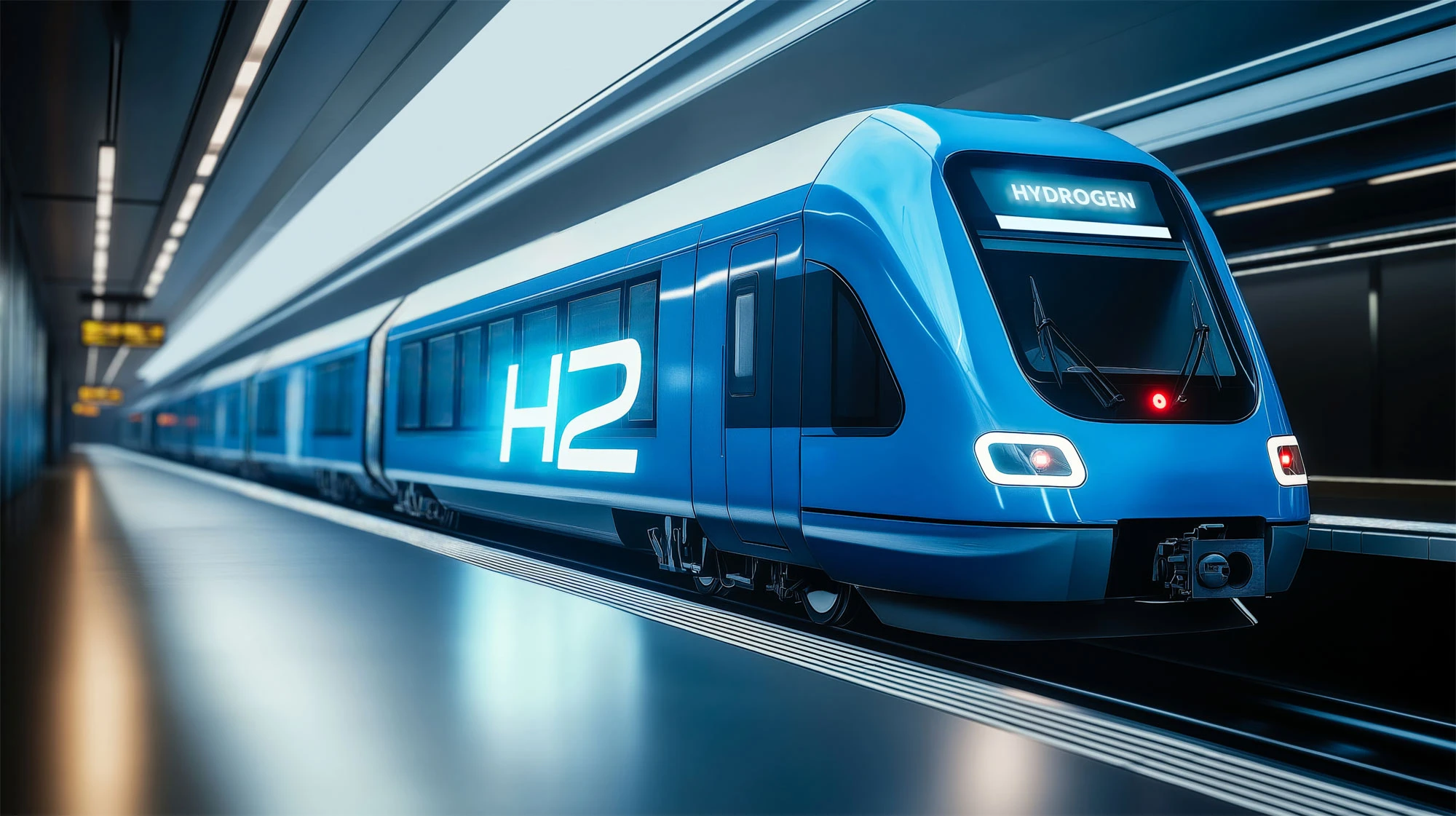
Development of a scale-model hydrogen-propelled train
Background
The global transition towards sustainable transportation has increasingly highlighted hydrogen fuel cells as a promising zero-emission alternative for powering various modes of transport, including rail systems. These fuel cells, particularly proton exchange membrane fuel cells (PEMFCs), are recognized for their potential to reduce carbon footprints and support long-term environmental goals. As interest grows, challenges such as optimizing efficiency, ensuring safe on-board hydrogen storage, and extending operational range have become critical areas of focus. This broader context underscores the need for innovative solutions that can demonstrate the feasibility of hydrogen-powered locomotion, paving the way for scalable and eco-friendly rail transport technologies worldwide.
Current Activities
Key activities include (1) designing and selecting subsystems for a 1/3-scale hydrogen powered train, integrating components such as a hydrogen tank or steam-methane reformer, PEM fuel cell, DC/DC converter, battery energy storage, and four permanent magnet DC motors; (2) conducting heat transfer and energy analysis to enhance system performance; (3) sizing the system to optimize hydrogen consumption and improve fuel efficiency; and (4) testing the prototype on a 1–2 km track to evaluate speed, range, and overall performance under real-world conditions. Safety protocols follow NFPA 55 standards, ensuring robust integration and safe operation of all components.